Sites Specific
Laura & Lisa
Choreographic assistance by Katja Butcovic.

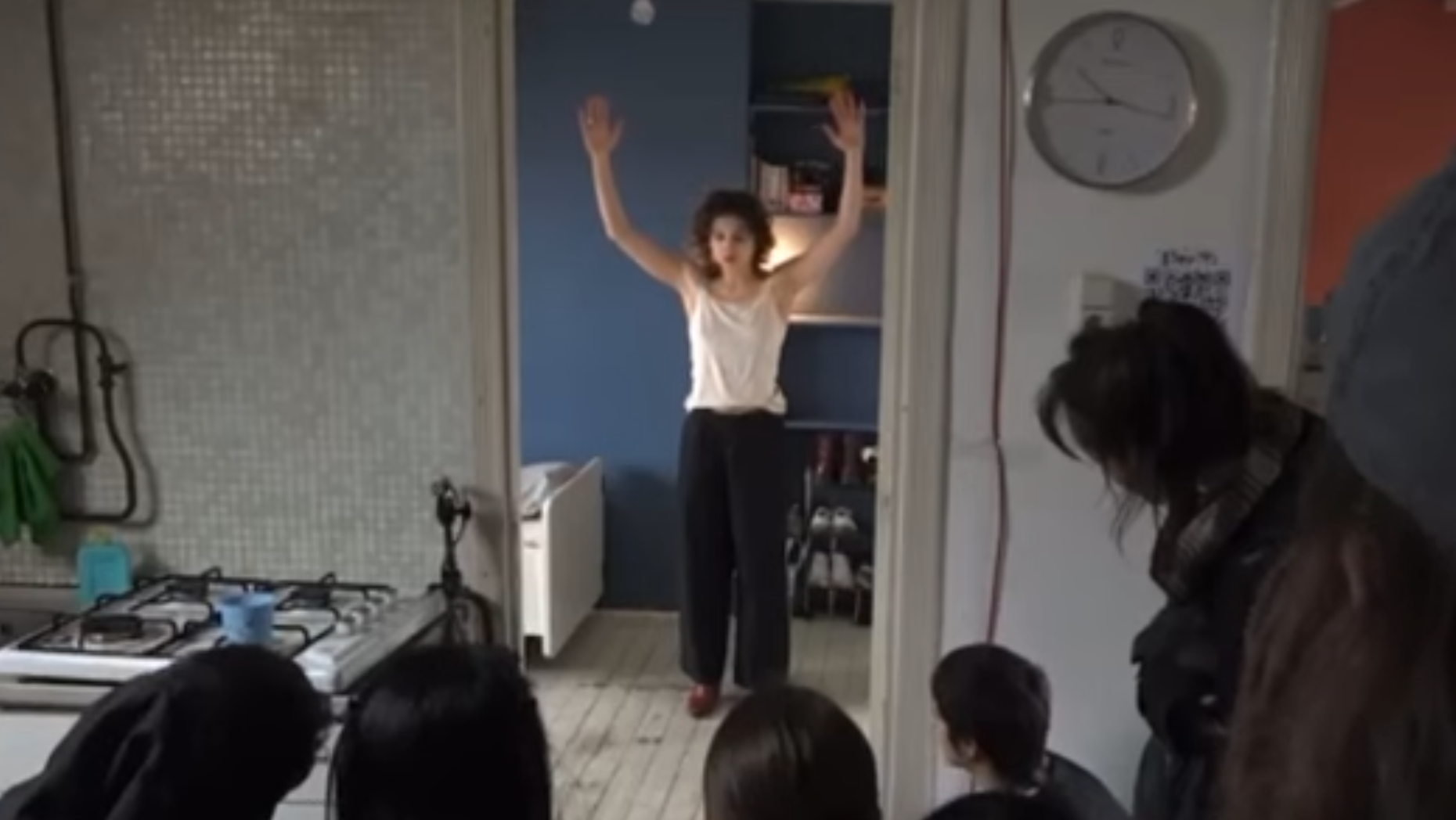
Gestaçao
Gaia in collaboration with Sara Furunes Ferreira
Reality is unrealistic. Being someone important, being successful, still being pretty, find yourself in this reality. Are these your legs? Or my arms? Are those my thoughts? Or your learnings? Is it right or wrong? We are carrying the burden of what is expected, molded by the unrealistic reality. By the reality we are trying to change.
The piece is a grieving of the idea of a woman that is getting passed through lives, the idea that will still take revolutions to change, the idea of a woman I cannot be. An idea I don’t want to be.
Gestação is a duet that explores the struggle of fitting into pre constructed ideals of young womanhood. Through movement, we navigate aesthetics, physicality, elegance, self care, sexuality, marriage, pregnancy, and manners. This work is a satire on the high standards imposed by society.
Costume by Torill Furunes
Music Pièces de clavecin des Livres III & IV by Frédérick Haas, Quest by Joana Gama & Luis Fernandes
Videographed by Sérgio Ferreira

Ceux qu’on aime
Laura & Lisa in collaboration with Javier Villegas Becoechea
P o l y p t y c h
Ana Paula, Gaia, Laura & Lisa
Four dance performances (un)stage and restage for unconventional performing spaces
(art gallery, museum, cultural place, houses etc.).
Polyptych is a 90 min ongoing performance composed of four dance pieces (three solos and one participatory installation) divided in many rooms/spots.
The public is invited to experience each of them by wandering and following the four performers.
From the moment you enter the space you enter the stage of DEATH PROOF.
In order of happening:
Jacaranda: a collection, by Laura López Ferrer.
The Heart Beat project. Also called red boots, by Lisa Kiesgen Eugène.
Did You Ever Watch a Birthday Candle Finish?, by Gaia Cavagliá.
A5, by Ana Paula Lemus Payiatsou with Ginés Pérez Toledo.
A5
Ana Paula Lemus Payiatsou
Where you gonna run to ?
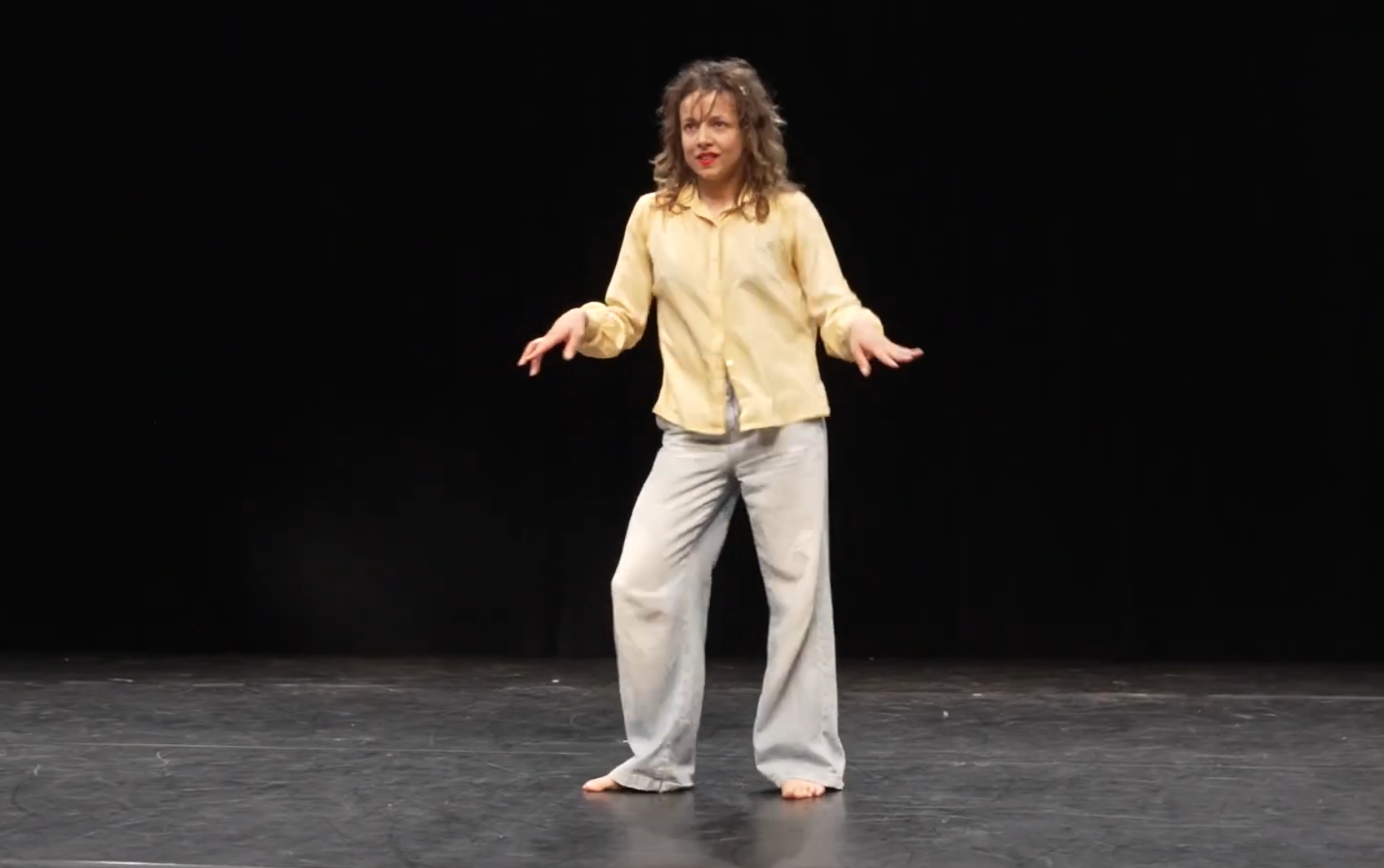
Lisa in collaboration with Fernando Romero Suárez
A young body: a thoracic cage, two hands, some hairs, quite a lot of flesh and significant amount of bones. This is what you see when the light turns on, on stage. And it starts dancing, according rules: scenic rules, contemporary technic, theatrical cues. It can’t stop otherwise it mean the show is over, so it dances. Does it choose it movement? Or the body is just so full of heritance and legacy (from past teacher, dance figures, ancestor or familial thread) that it doesn’t choose what it dances, can it really choose? Can it go out of what it learns, what it is made for?
When the music starts it start, she starts: the young ballerina in the music jewelry box, because she doesn’t have any-other guide than these melodic sounds and she goes in an infinite turn as long as the music go on.
But in this specific jewellery box that is the stage, When the dancer starts, the music starts. The sound of her thoracic cage, her two hands, her hairs, this quite a lot of flesh and significant amount of bones start to go in movement and the hands meet each others, the thoracic cage inhale and exhale, the flesh slap the floor, slide on the skin, and this significant amount of bones collapse on the linoleum and the sounds she produce while dancing become a melody.
What if the ballerina of the song box is the one making the music?
This solo is a continuation of Lisa’s research about visuosonic movement, (percussive sound created through movement), and investigation of what a dancer is made of. In Where you gonna run to? she decided to explore the heritage as a weight and support. The solo showcases the song of Nina Simone -Sinnerman– played live at the piano by Fernando Romero Suarez, in conversation with the energetic choreography of Lisa sometimes inspired by Trisha’s famous piece Water Motor. This combination gave birth to a playful and rhythmical performance, a conversation between music, performer and audience.
A5
Ana Paula with the live music of Ginés Pérez Toledo
A5 is a piece that dives into emotions and thoughts about misogynistic behaviours, the male gaze, and the disappointment that comes with it.
This solo is a continuation of her research/solo WAGYU (2025). As in the way that it is instilled in her cultural background (Cyprus and El Salvador), she always felt the need to be the perfect woman.
A lot of her inspiration comes from female icons. This is a physical research with high heels.
This piece is dedicated to all the males that hate her.
Romance de Gerineldo Sonámbulo
Laura López Ferrer
Original song: Gerineldo, sang by Carmen Prieto in 1952.
Per Marguerita
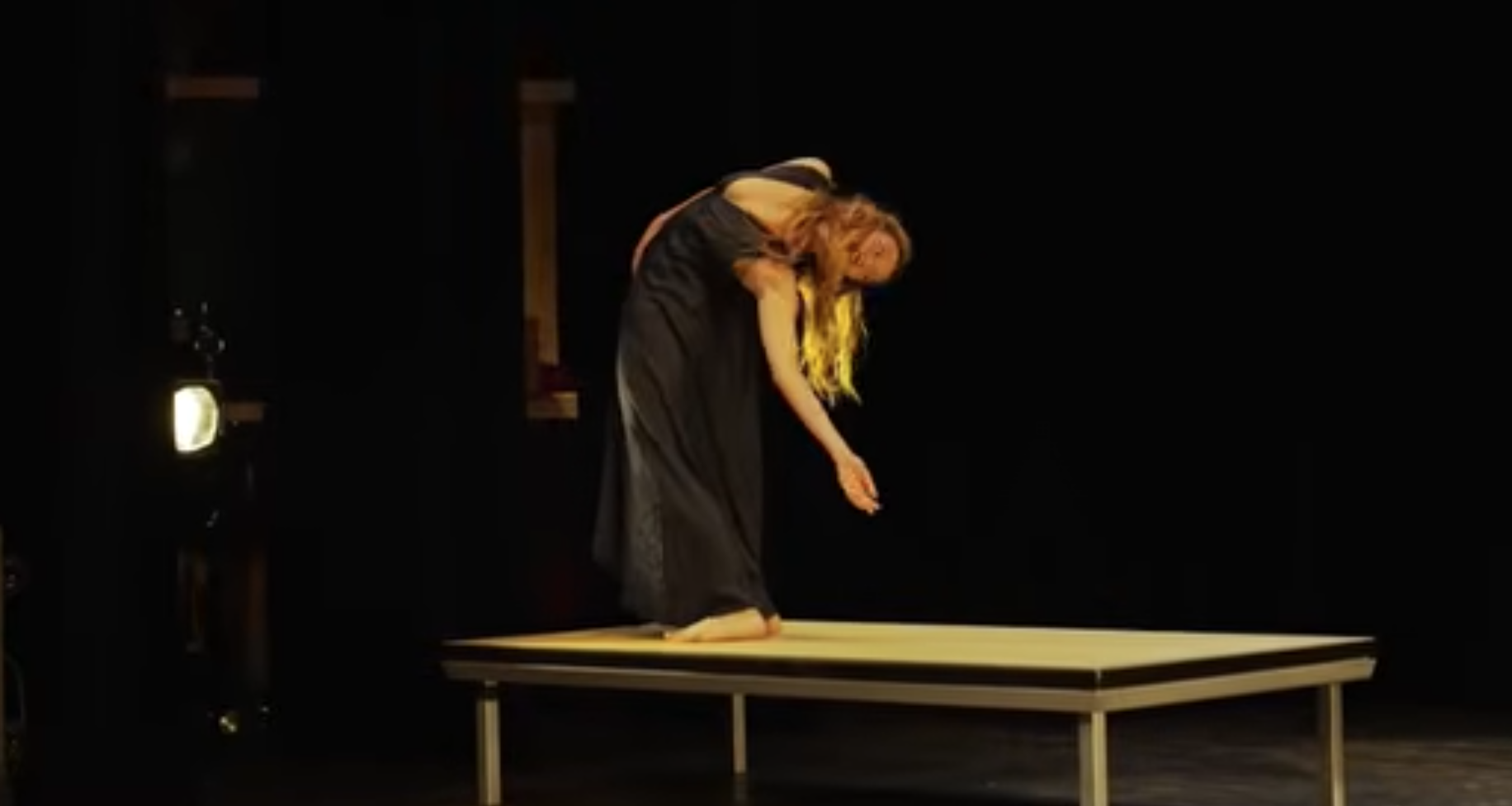
Gaia Cavagliá
Per Margherita explores nostalgia as a force of transformation rather than paralysis. Inspired by personal memories and the works of Kazuo Ohno, Lisbeth Gruwez, and the image of Marilyn Monroe, the piece unfolds through a collage of archived voices, laughter, tears, and fragments of the past. For eight minutes, together with the audience I hold on, to each other, to fleeting traces, to what is feared lost. What ends does not disappear; it integrates. Through repetition and persistence, nostalgia becomes architecture: a space where loss and celebration coexist, and where holding on may itself become a way of moving forward.